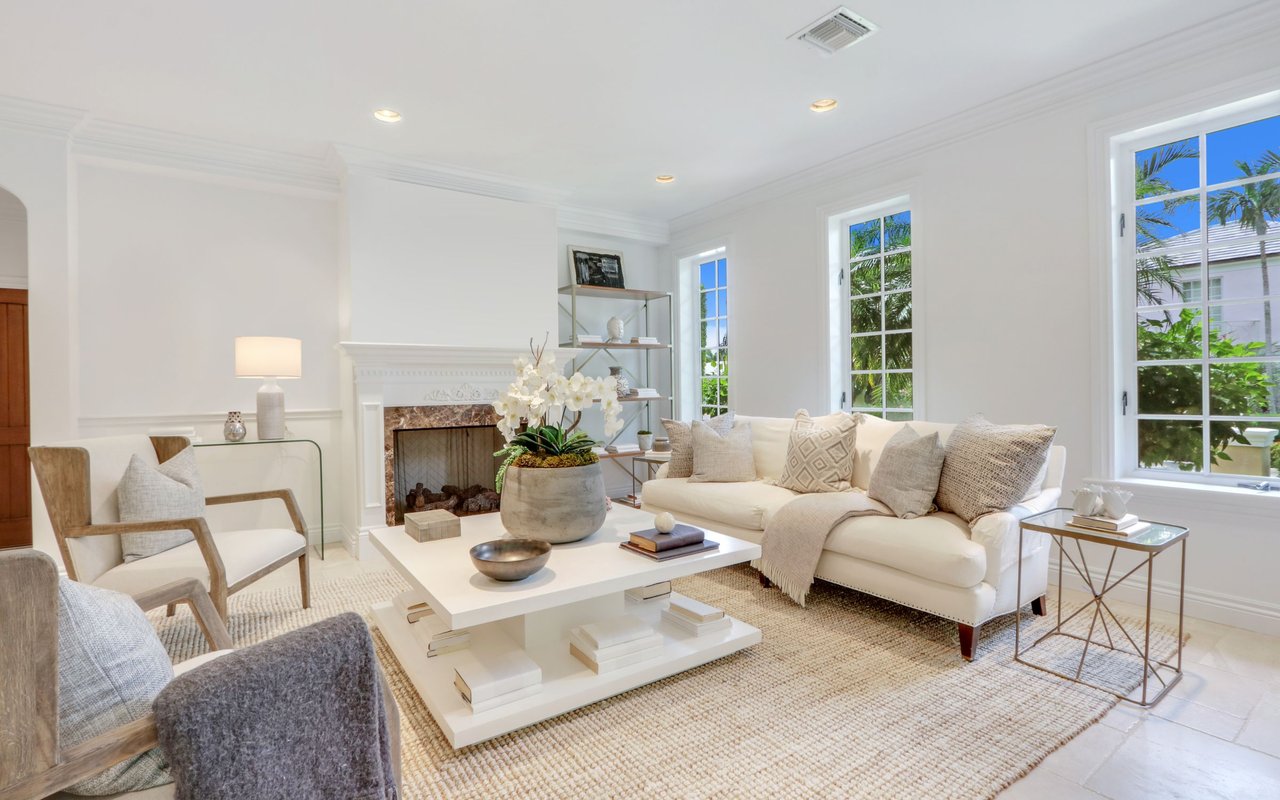
Preparing a home for sale is one of the most important steps in the process—but it’s also where many sellers feel overwhelmed.
One of the most common questions I get is:
“What should I actually do before listing… and what isn’t worth the money?”
The goal isn’t to fully renovate your home. In most cases, it’s about making strategic, thoughtful improvements that help buyers see the home clearly—and feel confident moving forward.
Here are five ways to add value before listing, without overspending.
1. Simplify and Declutter
This is often one of the most effective—and least expensive—steps a seller can take before listing.
Buyers are not only looking at the home. They are trying to understand the size, layout and functionality of each space.
That becomes harder when rooms feel crowded or overly personalized.
Before photography and showings, this may mean:
- Removing excess furniture
- Clearing countertops and surfaces
- Simplifying décor
- Organizing closets and storage areas
- Removing items that make rooms feel smaller
- Donating, storing or selling furniture that no longer works for the space
The goal is not to make the home feel empty.
It is to create enough visual space for buyers to notice the room itself rather than the belongings inside it.
A simpler presentation can also help rooms photograph better and make the home feel more open during showings.
2. Use Neutral Bedding and Soft Finishes
Bedrooms often photograph better when the bedding is simple, clean and neutral.
Fresh white or light-colored bedding can help a room feel:
- Brighter
- Cleaner
- More open
- Less visually distracting
You do not need to buy expensive linens or completely restyle the room.
In many cases, replacing busy comforters, excess pillows or heavily patterned bedding with a simpler look is enough to make the space feel more polished for photography and showings.
The same idea applies to other soft finishes throughout the home. Towels, throw pillows and small accessories should support the room rather than compete for attention.
This is a relatively inexpensive update that can help buyers focus on the size, light and overall feel of the space.
3. Focus on First Impressions Outside
The exterior of the home creates the first impression—both online and when buyers arrive for a showing.
You do not need an expensive landscaping overhaul. In many cases, a few targeted improvements can make the property feel much more cared for.
Consider:
- Power washing the driveway, walkways and patio
- Cleaning exterior windows
- Trimming overgrown landscaping
- Refreshing mulch or planting beds
- Removing dead or tired plants
- Cleaning the front entry
- Touching up the front door or exterior paint where needed
- Making sure the pool and outdoor areas are clean and inviting
For waterfront homes, this should also include the areas buyers will notice around the pool, patio, dock and water view.
The goal is to create a clean, well-maintained first impression before the buyer ever walks through the front door.
Small exterior improvements can help signal that the home has been consistently cared for, without requiring a major investment.
4. Address Small Repairs Before They Become Big Questions
Small maintenance issues can sometimes create bigger concerns in a buyer’s mind.
A dripping faucet, loose handle, sticking door or unfinished repair may be inexpensive to fix, but when buyers notice several little problems at once, they may start wondering what else has been deferred.
Before listing, consider addressing:
- Minor plumbing leaks
- Loose handles, doors or fixtures
- Damaged screens
- Burned-out bulbs
- Small drywall or paint touch-ups
- Broken switches or outlets
- Visible caulking or grout issues
- Other unfinished repairs that are easy to correct
The goal is not to make the home perfect.
It is to remove unnecessary distractions and show buyers that the property has been well cared for.
For some homes, I may also recommend a pre-listing inspection so the seller can identify larger concerns before a buyer discovers them during the contract period.
That does not mean every issue must be repaired before listing. It simply gives the seller more information and more control over how to address potential problems.
5. Bring in the Right Support (Without Overdoing It)
Preparing a home for sale does not mean hiring a long list of contractors or starting a major renovation.
Sometimes the smartest move is simply knowing which professionals can make a meaningful difference and when to use them.
Depending on the home, that may include:
- Professional deep cleaning
- A designer or staging consultation
- Furniture removal or rearranging
- Landscaping or exterior cleanup
- Handyman services for smaller repairs
- Trusted vendors for specific maintenance issues
- Professional photography and video
For larger or luxury homes, I often recommend a professional designer walk through the property before photography. That can help identify relatively small changes in furniture placement, bedding, décor or styling that improve how the home presents without requiring a full staging installation.
The key is not to do more.
It is to bring in the right help for the areas that will matter most to buyers, while avoiding unnecessary expenses that may not improve the final result.
What Not to Do Before Listing
One of the biggest mistakes sellers make is spending money on improvements before knowing whether buyers are likely to value them.
Before starting a major project, be cautious about:
- Fully renovating a kitchen or bathroom simply because it feels dated
- Choosing highly personal finishes or design choices
- Replacing items that are functional and in good condition without a clear reason
- Making expensive upgrades that may not return their cost
- Starting projects that could delay the listing unnecessarily
- Assuming every visible imperfection needs to be corrected
Sometimes a fresh coat of paint, better lighting, simplified furniture or professional cleaning will improve the presentation more than a much larger renovation.
For other properties, a larger improvement may make sense—but that decision should be based on the home, price point, competing inventory and likely buyer expectations.
Before spending heavily, I recommend looking at the property through a buyer’s eyes and deciding which changes are truly likely to improve the way the home competes in the market.
Preparation Supports Better Results
Thoughtful preparation cannot guarantee a particular sale price or timeline, but it can help a home compete more effectively once it reaches the market.
A well-prepared home may:
- Photograph more clearly
- Feel more polished during showings
- Make it easier for buyers to understand the space
- Reduce distractions caused by clutter or unfinished repairs
- Help buyers feel more confident about the overall condition of the property
The most effective preparation is usually not about spending the most money.
It is about identifying the changes that are most likely to improve presentation, buyer confidence and perceived valuebefore the home goes on the market.
Small, intentional improvements can often make a meaningful difference without turning the pre-listing process into a major renovation.
Related Reading
Staging Your Home to Sell: Why Presentation Matters in Jupiter’s Luxury Market
The 3 Pricing Strategies for Selling Your Home in Jupiter, Florida
How to Net the Most Money When Selling Your Home in Jupiter, Florida
Considering Selling Your Home in Jupiter?
If you are thinking about selling, it is worth getting a plan in place before you start spending money on repairs, renovations or staging.
I can walk through the home with you and help identify what is worth addressing, what can stay as-is and which improvements are unlikely to make enough difference to justify the expense.
The goal is to prepare the property thoughtfully without overspending.
Call or text Kristin Wallace at 781-771-5400 or Email Kristin to get started.
