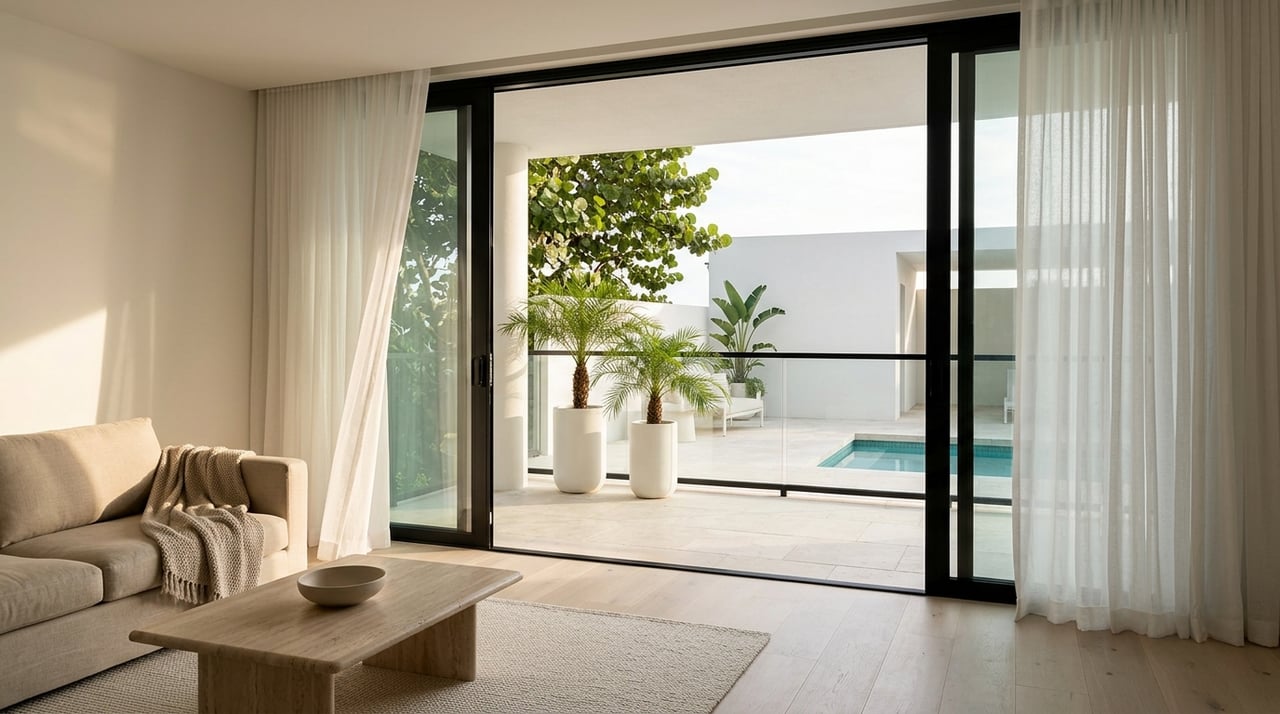
Trying to decide between a waterfront condo and a waterfront home in North Palm Beach? It is a smart question, because this village offers both in a meaningful way. If you want boating access, water views, and the right balance of convenience, privacy, and responsibility, your best choice depends on how you plan to live day to day. Let’s dive in.
Why North Palm Beach Gives You Both Options
North Palm Beach is not a market where waterfront living comes in just one format. According to the Village of North Palm Beach, the area sits between the Intracoastal Waterway, the Atlantic Ocean, and Lake Worth, with marinas, waterfront parks, and hundreds of docks supporting an active boating lifestyle.
That mix matters when you start your search. The village’s master plan notes that the marina area is surrounded by older waterfront condominiums, while other parts of the village include homes on waterfront lots. In other words, you are choosing between two real lifestyle paths, not just two property types.
When a Waterfront Condo Makes Sense
A condo is often the better fit if you want a more lock-and-leave lifestyle. For many seasonal buyers, second-home owners, or busy professionals, that simplicity is a major advantage.
Under Florida condominium law, the association is responsible for maintaining common elements, and it also has the right to access units when needed to maintain or repair those elements or prevent damage. That shared structure is one reason condos often feel easier to manage when you are not in town full time.
Condo benefits to consider
- Less direct exterior maintenance for you
- Shared responsibility for common areas
- Strong fit for part-time or seasonal use
- Often closer to marina-oriented living
- Amenity-based lifestyle in some communities
That said, easier upkeep does not mean no homework. Condo ownership in Florida comes with documents, budgets, insurance layers, and association rules that deserve a careful review before you make an offer.
What Condo Buyers Need to Review
One of the biggest differences with a waterfront condo is the amount of due diligence involved. A well-run building can offer real convenience, but buyers should understand exactly what the association manages, what the reserves look like, and where future costs could show up.
The Florida Department of Business and Professional Regulation says milestone inspections are required for certain older condo and co-op buildings, and structural integrity reserve studies are required for residential condos and co-ops that are three stories or higher. These records must be part of the association’s official records and made available to potential buyers.
Key condo questions to ask
- What are the current monthly dues?
- How well funded are reserves?
- Has the building had a milestone inspection?
- Is a structural integrity reserve study required and complete?
- Are there any pending or recent special assessments?
- What does the master insurance policy cover?
- Is dock or marina access included, limited, or separately assigned?
Insurance is another area where condo ownership works differently. The Florida homeowners insurance toolkit explains that an HO-6 policy generally covers your personal property and certain interior items not insured by the association’s master policy. It also notes that loss-assessment coverage matters because owners can be assessed for common-area damage or reserve shortfalls.
When a Waterfront Home Makes Sense
If your top priorities are privacy, outdoor space, and control, a waterfront home may be the stronger fit. This option usually appeals to buyers who want more flexibility with docks, lifts, landscaping, storage, and how they use the property overall.
A standard Florida homeowners policy is built around the dwelling, other structures, personal property, liability, and medical payments. In practical terms, that means you carry more direct responsibility for the property than a condo owner typically does.
Home benefits to consider
- More privacy
- More control over outdoor living areas
- Better potential for a private dock or lift setup
- More flexibility with landscaping and site use
- Stronger fit if boating storage is a priority
For many waterfront buyers, that control is the whole point. You are not just buying a view. You are buying the ability to shape how the property supports your lifestyle.
What Home Buyers Need to Review
With that flexibility comes more direct upkeep and more property-specific planning. In North Palm Beach, building permits are required for projects that include docks and seawalls, which is especially important if you are considering updates, repairs, or future improvements.
Local rules also affect storage. The village states that boats and RVs on residential properties must be properly licensed and visually screened from view. If you want to keep a trailerable boat on site, you will want to confirm that the lot layout and screening options work for your needs.
Key home questions to ask
- Is there an existing dock or lift?
- Were docks, seawalls, or shoreline features properly permitted?
- What ongoing maintenance is likely?
- Can the property support your preferred boat storage setup?
- Are there local rules that affect visibility or screening?
- What are the insurance responsibilities for the structure and site features?
If having a private dock is not essential, North Palm Beach does offer local boating infrastructure. The village’s Anchorage Park marina provides resident-only boat-ramp decals, day docks, and wet or dry storage, though the current marina waitlist is full. That can still be useful context if you are comparing a condo or home without direct dockage.
Condo vs. Home at a Glance
Priority | Waterfront Condo | Waterfront Home |
|---|---|---|
Day-to-day maintenance | Lower direct responsibility | Higher direct responsibility |
Travel convenience | Often stronger | Depends on property management plan |
Privacy | Usually less | Usually more |
Outdoor control | Limited by association rules | Greater owner control |
Dock and storage flexibility | May be limited or shared | Often better potential |
Buyer due diligence | Heavier on documents and association review | Heavier on property condition and permitting |
Flood and Insurance Planning Matter Either Way
No matter which direction you lean, waterfront buying in North Palm Beach should include careful flood and insurance planning. The village participates in the National Flood Insurance Program Community Rating System, and it says residents receive a 25% reduction in flood insurance premiums.
That is helpful, but it does not replace due diligence. The same village guidance reminds owners that flood losses are not covered by a typical homeowners policy, and it recommends checking whether a property is in a high-risk flood zone, susceptible to coastal erosion, or has an elevation certificate on file.
Flood questions to verify
- Is the property in a high-risk flood zone?
- Is flood insurance required by a lender?
- Is there an elevation certificate available?
- Has the building or home had past flood-related issues?
- How do flood responsibilities differ between the unit owner and association, if buying a condo?
How to Choose the Better Fit
If you want low-maintenance living, easier travel flexibility, and association-managed exterior oversight, a waterfront condo may be the cleaner match. This is especially true if you are buying a seasonal residence and want more simplicity while you are away.
If you want more privacy, more control, and better odds of customizing your boating setup, a waterfront home may be worth the extra responsibility. That tradeoff often makes sense for buyers who see the property itself as part of the lifestyle, not just the location.
The best decision usually comes down to how you want to spend your time. Do you want less hands-on responsibility, or do you want more freedom to shape the property around your boating and outdoor priorities?
Your Waterfront Due Diligence Checklist
Before you write an offer on either type of property, verify the basics carefully. The right questions upfront can save you time, money, and stress later.
Review these items before you commit
- Monthly dues, HOA fees, or other recurring costs
- Reserve funding and budget health
- Special assessment history or risk
- Master insurance summary or home insurance responsibilities
- Flood zone and flood insurance needs
- Inspection history for the building or property
- Dock, marina, seawall, or boating-use agreements
- Permit history for waterfront improvements
- Community rules that affect storage, access, or use
If you are weighing a condo versus a home in North Palm Beach, the right answer is rarely one-size-fits-all. It depends on your lifestyle, how often you will be here, and how involved you want to be in maintaining the property. If you want help comparing options with a clear, local lens, Kristin Wallace can help you sort through the details and find the waterfront fit that makes sense for you.
FAQs
What is the main difference between a waterfront condo and waterfront home in North Palm Beach?
- A waterfront condo usually offers more shared maintenance and lock-and-leave convenience, while a waterfront home usually offers more privacy, outdoor control, and responsibility for upkeep.
What should condo buyers review before buying in North Palm Beach?
- Condo buyers should review dues, reserves, special assessment risk, inspection records, reserve studies when required, insurance responsibilities, and any dock or marina rights tied to the unit.
What should home buyers verify before buying a waterfront property in North Palm Beach?
- Home buyers should verify permit history for docks and seawalls, site maintenance needs, insurance responsibilities, flood exposure, and whether boat storage or screening rules affect the property.
Does North Palm Beach offer boating access if a property does not have a private dock?
- Yes. The village says Anchorage Park marina offers resident-only boat-ramp decals, day docks, and wet or dry storage, although the current waitlist is full.
Do both waterfront condos and homes in North Palm Beach require flood planning?
- Yes. The village notes that flood losses are not covered by a standard homeowners policy, so buyers should review flood zone status, insurance needs, and any available elevation information.
Is a waterfront condo always easier to own than a waterfront home in North Palm Beach?
- Not always. A condo can reduce direct exterior maintenance, but it also requires careful review of association finances, inspections, reserves, and rules before you buy.
Related Reading
Luxury Condos from Tequesta to North Palm Beach
Water Club North Palm Beach: Luxury Waterfront Living on the Intracoastal
Ready to Buy or Sell in Jupiter and The Palm Beaches?
Whether you are buying or selling a home in Jupiter, Tequesta, or the Northern Palm Beaches, I would be happy to help you understand your options and create a strategy that fits your goals.
Call or text Kristin Wallace at 781-771-5400 or email Kristin to get started.
